FLAME Fire Meteorology Group · National Observatory of Athens
ROSETTA
PyROconvection riSk in Europe ClimaTology and fuTure chAnges
FLAME Fire Meteorology Group · National Observatory of Athens
PyROconvection riSk in Europe ClimaTology and fuTure chAnges
About ROSETTA
Pyroconvection occurs when a wildfire generates sufficient heat to trigger deep atmospheric convection; forming pyroCumulus (pyroCu) or pyroCumulonimbus (pyroCb) clouds that dramatically alter fire behavior through erratic wind changes, pyrogenic lightning, pyrotornadogenesis, and massive spotting.
Europe has experienced devastating pyroconvective wildfires in recent years: Portugal (2017), Greece (2021), and France and Spain (2022). Yet our scientific understanding of the atmospheric conditions driving these events, and how climate change is reshaping them, remains critically limited.
ROSETTA addresses this gap through a comprehensive approach combining satellite remote sensing, atmospheric reanalysis data, and high-resolution regional climate model projections covering the entire European domain.
Project objectives
Work packages
From satellite data collection to public education, ROSETTA's work packages span the full arc of scientific inquiry and societal impact
Covers all project management activities: coordinating and monitoring progress across all work packages, ensuring timely delivery and quality of deliverables, applying corrective measures when needed, and handling all financial and administrative communication with the Host Institution and HFRI.
M1 – M48Focuses on building the first open-source European pyroconvective events catalogue. This involves collecting and quality-controlling satellite data, supplemented by systematic media and social media searches, and developing automated Python-based procedures for detecting pyroconvective clouds in satellite imagery.
M1 – M24Uses ERA5 reanalysis data (1959–present) to study the atmospheric conditions driving intense pyroconvection in Europe. Key activities include evaluating pyroconvection risk metrics and indices, revisiting existing conceptual models, and investigating long-term trends in relation to large-scale atmospheric circulation changes.
M10 – M30Investigates future changes in pyroconvection risk using high-resolution EURO-CORDEX regional climate model simulations. A multi-model ensemble is constructed to project how pyroconvection risk will evolve across Europe under different warming scenarios, with a focus on links to large-scale circulation changes.
M25 – M45Encompasses all dissemination and outreach activities, including the project website, social media, annual e-newsletters, a documentary film, and peer-reviewed publications. A dedicated educational programme for Greek secondary school students will be developed in collaboration with NOA's existing outreach initiatives.
M1 – M48The team
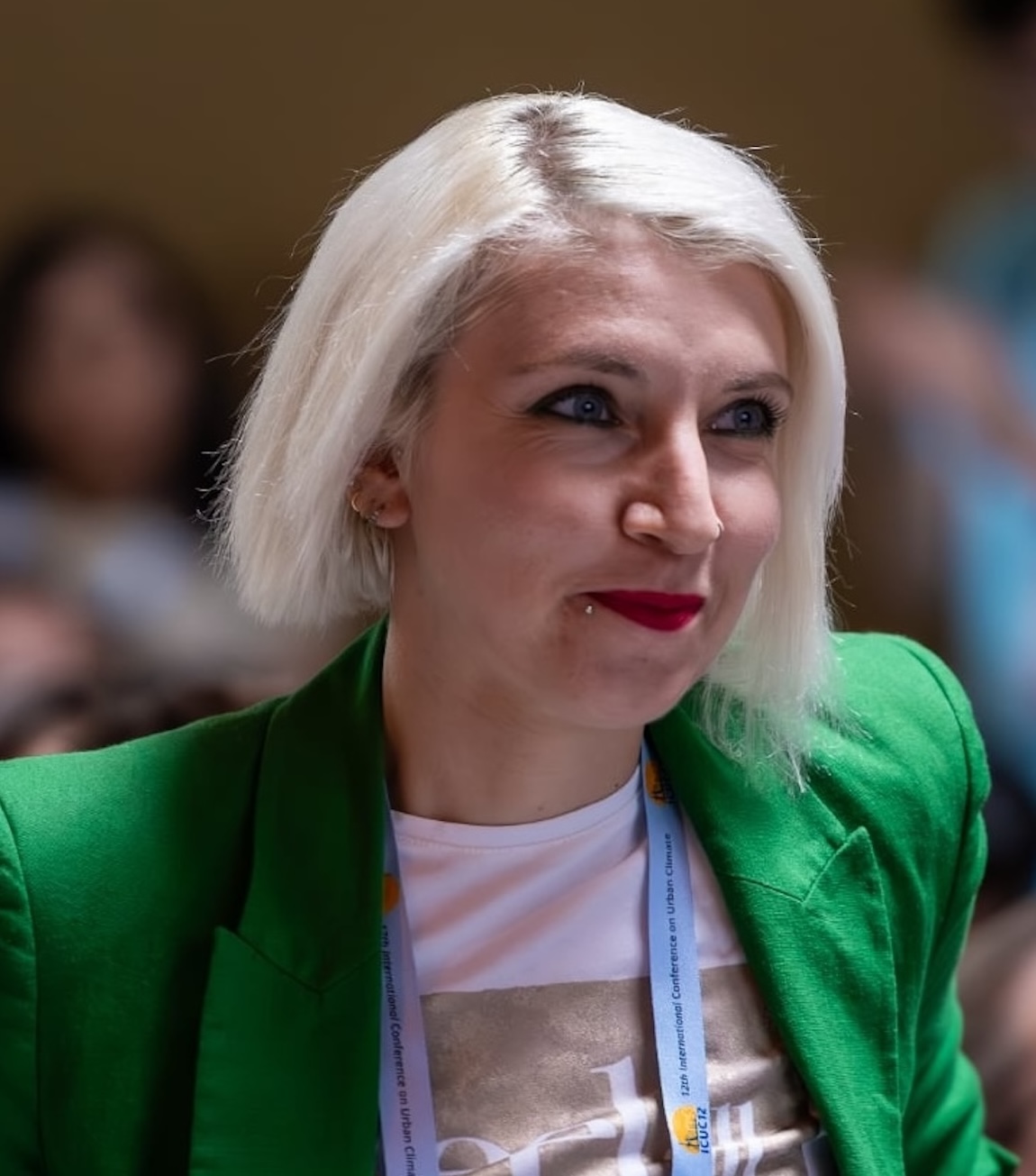
All team members are based at the Institute for Environmental Research and Sustainable Development of the National Observatory of Athens.
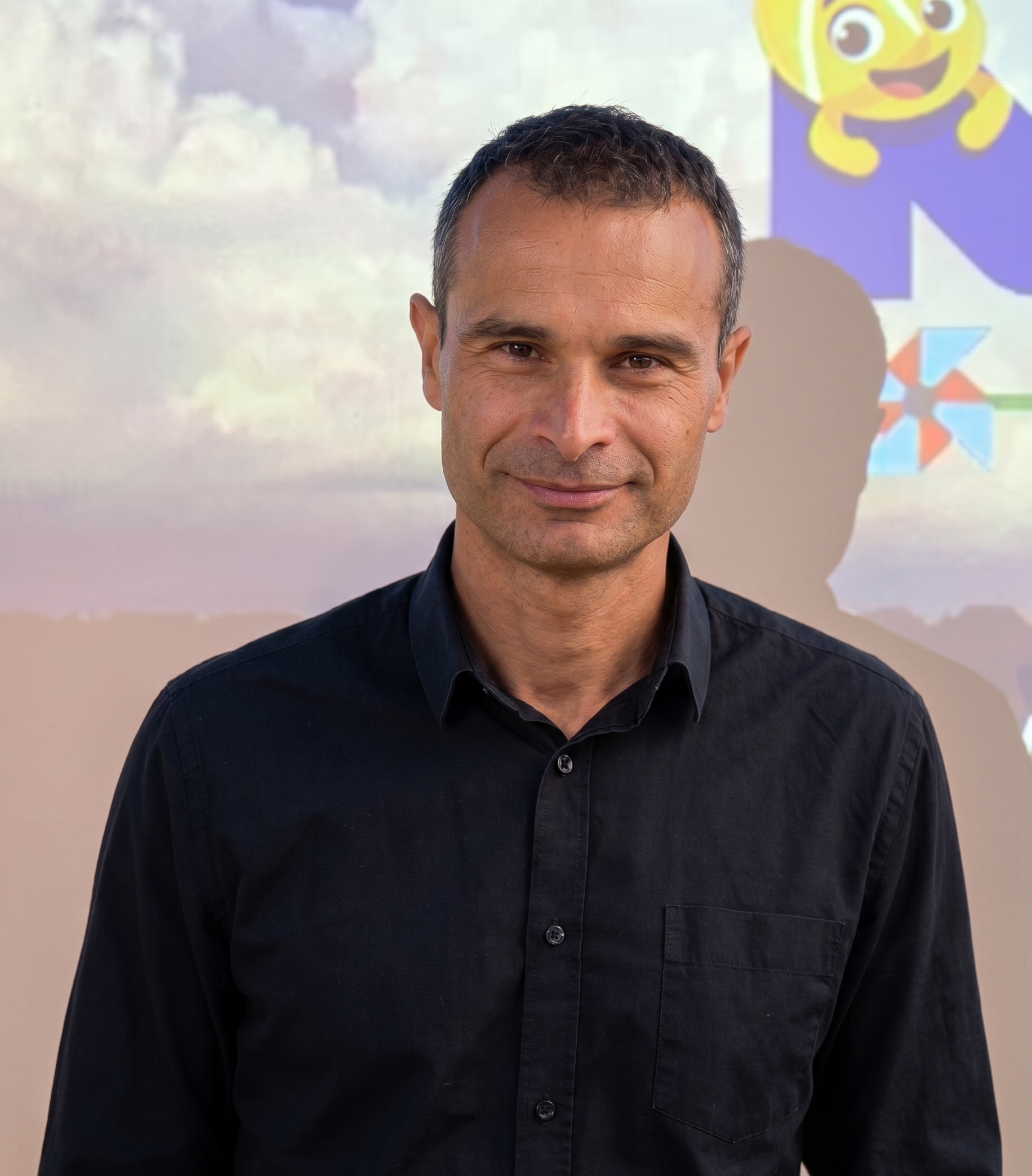
 Principal Investigator

Project outputs
All scientific deliverables will be publicly available. Dissemination outputs are designed for both the research community and the general public.
The first open-source catalogue of verified pyroconvective wildfire events in Europe (2001–present), combining satellite imagery, fire radiative power, brightness temperature, and cloud optical thickness data.
Four public technical reports covering: atmospheric drivers of pyroconvection risk, climatology and long-term trends, and future projections under RCP 2.6, 4.5, and 8.5 warming scenarios.
At least 3 peer-reviewed articles in international journals, targeting the wildfire research, climate science, and satellite remote sensing communities.
A short 20–30 minute documentary on climate change and extreme pyroconvective wildfires, produced for dissemination via YouTube and national and international television channels.
Educational content on wildfires and climate change for Greek secondary school students, integrated into NOA's Ministry-approved "Peri Anemon & Ydaton" programme — over 10,000 students reached to date.
Four annual English-language e-newsletters disseminating project updates, scientific highlights, and information on pyroconvection risk and climate change to a broad international audience.
Contact
For research enquiries, collaboration proposals, or media requests, please contact the Principal Investigator directly.
Hellenic Foundation for Research & Innovation · 3rd Call for Research Projects to Support Faculty Members and Researchers · Proposal No. 25773